King + King Architects Website
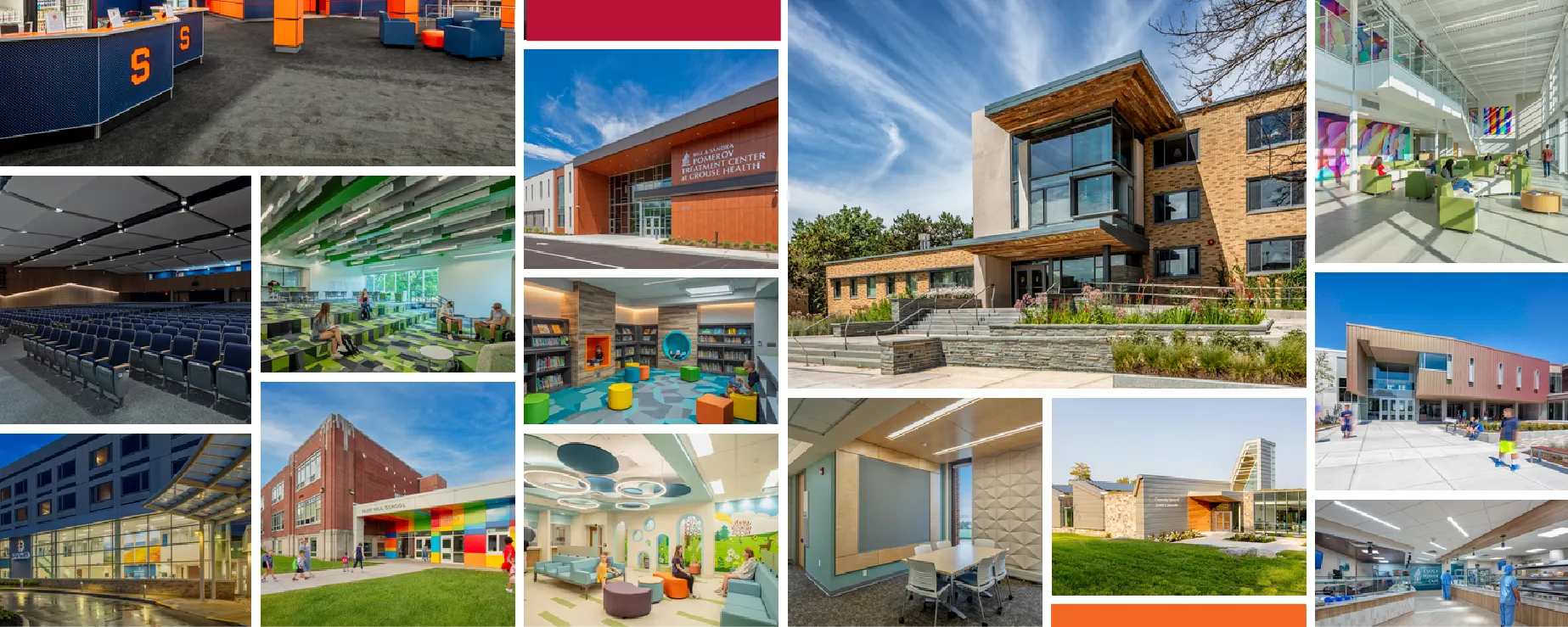
King + King Architects is an architectural firm that required a complete frontend and backend overhaul of their outdated digital presence. Given that the clients are designers themselves, the project demanded a high standard of visual precision and a "hands-on" content management experience.
Empowering Visual Storytelling
The goal was to create a website that could house over 100 high-quality architectural projects while giving the client creative control over the layout.
Beyond ACF: Instead of a traditional WordPress build using Advanced Custom Fields (ACF), I developed a custom Block Theme using WordPress’s modern Gutenberg infrastructure.
Visual Building for Designers: Because the client is highly visual and detail-oriented, a block-based approach provided a visual builder experience. This allowed them to see layout changes in real-time rather than working through back-end input fields.
Flexible Project Arrangements: Architectural project profiles often feature abstract image arrangements that vary based on the number of available photographs. By leveraging the native Grid block with custom modifications, I created reusable patterns that the client can stack in various ways, eliminating the need for dozens of rigid, one-off templates.
Performance & SEO Optimization
With an image-heavy site, maintaining speed is critical for both user experience and SEO. I implemented a multi-layered optimization strategy to ensure the site remains fast as the project library grows.
REST API & Intelligent Loading: I utilized the WordPress REST API to fetch only the initial projects within the user’s viewport. Additional batches are loaded in the background and cached in Local Storage to ensure near-instant subsequent loads. Local Storage caching also allows for instant filtering instead of having to wait for project fetches every time you change a category.
Cache Management: To keep content fresh, I implemented a cache-busting system that clears the local storage whenever a project is updated in the CMS.
Lazy Loading: Images are managed via the Intersection Observer API, ensuring that high-resolution assets are only requested from the server when they are about to enter the viewport.
Quantifiable Results
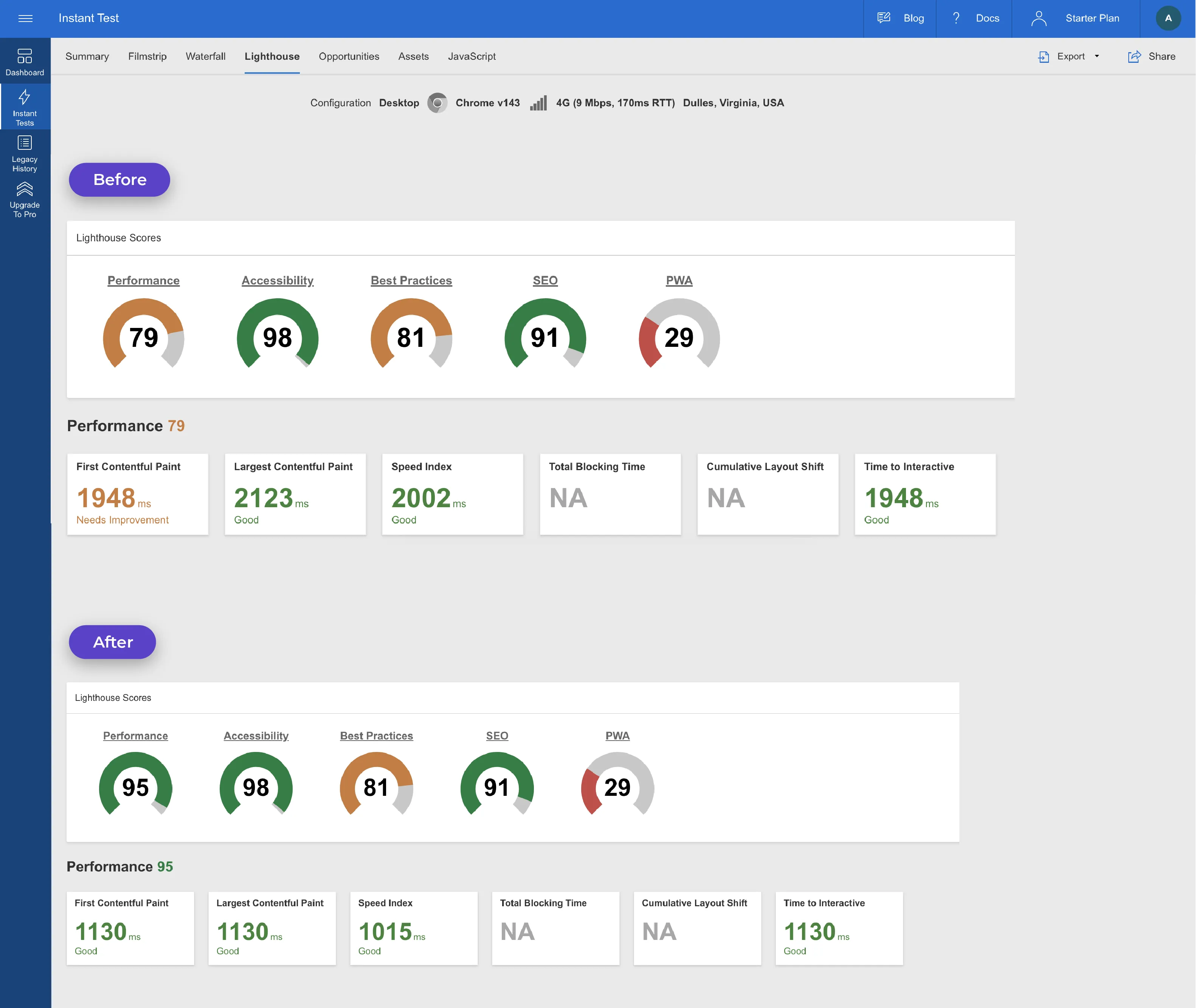
To justify the development time spent on these optimizations, I used WebPageTest and Lighthouse to perform side-by-side environment comparisons.
LCP Reduction: The optimizations reduced the Largest Contentful Paint (LCP) by 33%, moving the site into the “Good” rating for Core Web Vitals.
SEO & Talent Acquisition: These performance gains directly support the firm’s goals of ranking well for SEO and attracting top-tier architectural talent.
Technical SEO Foundations: I ensured that all client-provided content met strict technical standards, including proper image naming conventions, correct Schema markup, and comprehensive meta information.
Tech Stack
- PHP
- Wordpress
- Javascript